B2B Audience: How Lead Magnets Improve Your Pipeline
 Nancy
Nancy 
"B2B buyers are 57% more likely to purchase when they get their questions answered." — HubSpot Research
Picture a decision-maker landing on your website after a referral, conference mention, or a LinkedIn post. They’re curious, and they’re evaluating your content, amidst the seven tabs they already have open.
They skim through your About page, browse your services, and think, “Interesting.”
And then?
They vanish.
Not because your offer isn’t good, but because most B2B buyers are nowhere near ready to book a meeting on the first touch. They’re gathering information, comparing vendors, and getting interrupted by Slack pings, budgets, approvals, and meetings.
Without a lead magnet, they leave your world as quickly as they entered it.
And once they click away?
You’re gone.
Out of sight, out of mind in the most literal, corporate way.
The next time they need what you offer, they can’t even remember your company's name.
But a strategic free resource changes that.
It gives your visitors a reason to stay connected, even when they’re not ready for a conversation. It moves you from “one of many vendors” to the one who offered something helpful before asking for anything. It turns a casual browser into someone who keeps you in their inbox instead of losing you in a sea of noise.
And that inbox relationship is where the relationship begins to take shape, long before procurement joins the conversation.
So why don’t more B2B organisations use lead magnets?
Because many still treat them as “consumer tactics” rather than revenue tools.
They assume buyers will dig, research, bookmark, and come back. But that’s not how modern buyers behave. Not in our overwhelming digital environment. When you don’t give prospects something to take with them, you leave the burden entirely on them to remember you.
Meanwhile, the companies using them are quietly shortening their sales cycles, warming up cold leads, and letting prospects get a feel for their expertise before any pitch.
Next, we’ll look at two examples of how a simple lead magnet can make a difference, whether you’re consulting, offering a SaaS product, or operating as a mid-size or corporate brand
Agencies, SaaS, Consultants, and Professional Services.
If you or your team spends every discovery call walking prospects through the basics, a lead magnet can handle that work for you before the first conversation.
Decision-makers rarely book meetings without a clear sense of what they’re stepping into. A strong lead magnet gives them that clarity. It shows how you approach problems, and what working with you might feel like. Long before the first conversation.
You show up for the meeting with credibility already on the table, skipping the “who we are and how we work” monologue. And you get straight into active listening, understanding their priorities, and exploring where you can co-create solutions.
Without this? Your sales team spends their time educating instead of closing.
Calls drag on.
Leads stall.
And your pipeline fills with people who were never qualified to begin with.
Your lead magnet attracts interest. It filters, informs, and prepares.
You end up speaking to ideal leads, having better conversations, and moving deals forward with less friction.
Corporations, Mid-Size Enterprises & B2B Brands.
Corporate decision-making can be slow, political, and layered.
People need evidence. They need buy-in. They need internal justification before they can move. A well-crafted lead magnet gives them a simple tool they can forward to their boss, their team, or the person controlling the budget.
Not an extensive pitch deck or a generic, bland PDF attachment, they’ll never open.
But something helpful and practical they can use immediately. Because most corporate buyers aren’t comparing you to five other competitors.
They’re comparing you to noise.
Your lead magnet cuts through that by giving them something to anchor your value to.
Without it? You’re hoping your website made a strong enough impression for them to return weeks later when they “have more time.”
They rarely do.
People are super busy. And that's why a lead magnet gives your website visitors a low-risk way to stay connected with you while they’re evaluating options.
It's the bridge that quietly nurtures decision-makers while you’re not in the room.
Closing thoughts
A free resource, like an industry report or a process breakdown, does three things for B2B teams:
1. It reinforces your authority without relying on your sales team to explain the basics from scratch.
2. It lifts the quality of your sales conversations by preparing prospects before they ever speak to you.
3. It keeps you top-of-mind during long, multi-stakeholder decision cycles.
Without one, the burden falls on your sales team to walk prospects through everything step by step. You rely on cold outreach, follow-ups drag on, and the first conversation starts at square one instead of square three.
RECOMMENDED NEXT STEP
If you want a simple starting point, download the Lead Magnet Creation Checklist and hand it to your team.
It cuts hours of discussion and avoids the typical ‘Where do we start?’ bottleneck.
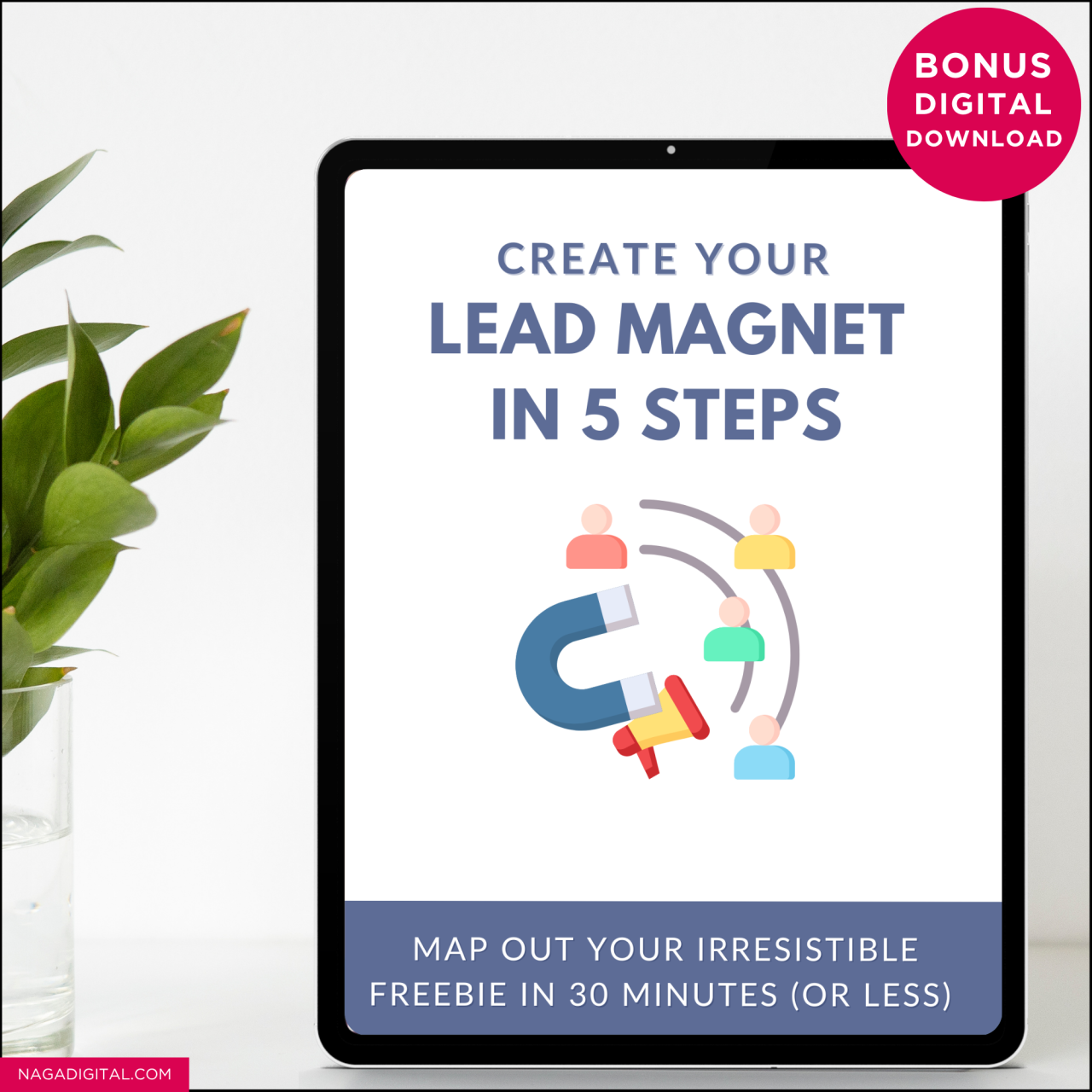
And if you’d rather shorten the process altogether,
consider booking a complimentary 20-minute call. Learn more here.
.